Established by DAVID HANCOCK in 2006 to broaden his at that time more than 60 years of lecturing and teaching about wildlife and conservation, especially bald eagles, to include the web, the Foundation’s mandate is to use the Internet in general and live streaming wildlife video in particular to promote the conservation of wildlife and its habitats through science, education, and stewardship. In David’s words, “Our first live eagle nest cams reached and taught more people in a 4 month period than I had in all my years of lectures combined. This is the way of the future.”
Our Fraser Valley Bald Eagle Festival is BACK....
Tracking Bald Eagles
Nest Mitigation
Streaming Cams
Our Mission
Our Projects
Donate Now


Volunteers
Campaigns
BETA eagles banded
BETA Eagles tracked
Meet The Team

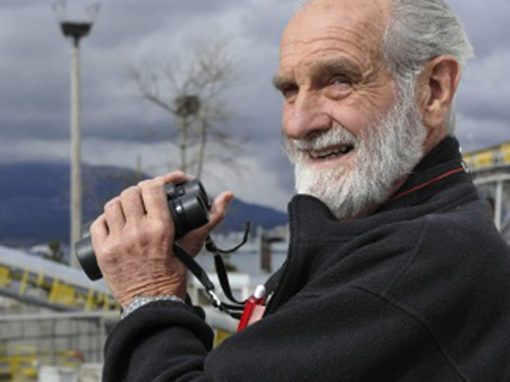
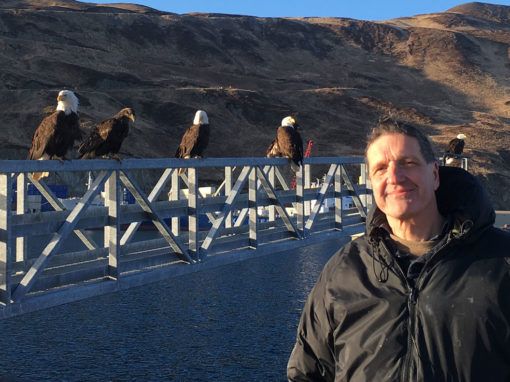
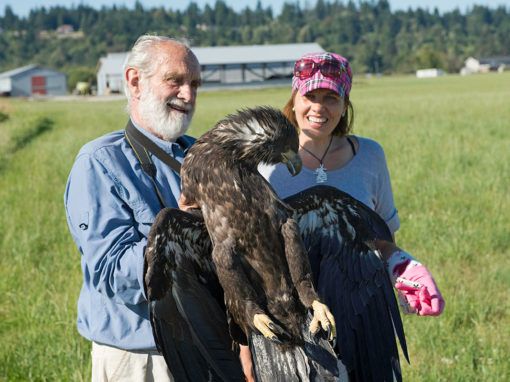

Our Volunteers
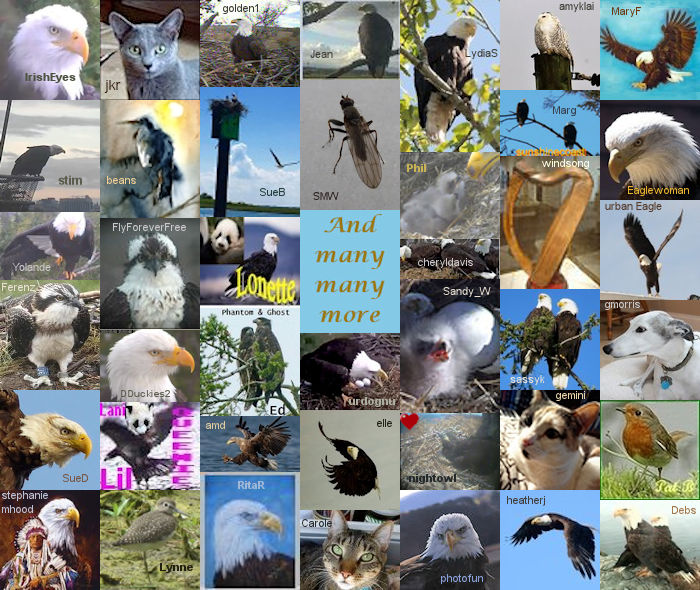
2018 Online Volunteers
The image (clicks bigger) shows the avatars of more than 40 of the Hancock Wildlife Foundation’s online volunteers who run our forum, control our cameras, post observations about the activities on the cameras at our four eagle nests and on other wildlife cameras across North America and around the world, and post observations and stunning photographs of eagles and other wildlife they observe live and in person.
There are volunteers from at least 4 countries, and from a number of Canadian provinces and US states. Several of our cam controllers (usually called “zoomers”) are from the areas near our cams – but others come from a variety of places including Alberta, Nova Scotia, Washington, Oregon, Arkansas, Florida, Pennsylvania, Maine – and England (the country). The rest of our forum volunteers are equally spread out; most are in North America – but we do appreciate having observers in other parts of the world who can watch what happens on the cams in the middle of our night.
Our online volunteers make it possible for us to have a forum with reports on the activities at roughly 40 eagle nests with cams, more than 20 eagle nests without cameras in BC, a number of osprey nests, some owl nests, a cam watching Laysan Albatross in Hawaii, pandas in several zoos, sea eagles in Australia, black eagles in South Africa – and a whole lot more!
Thank you!
Our Research Campaigns
-
Fund A Tracker
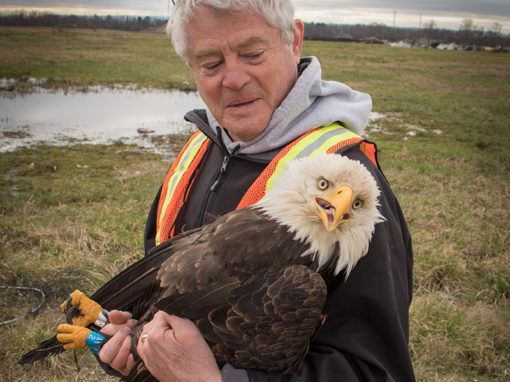
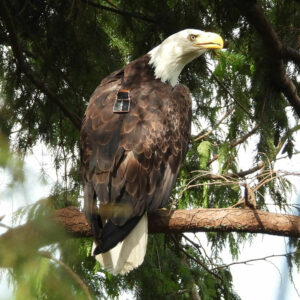
How do our 35,000 to 50,000 Northern breeding eagles find their way down to the Vancouver area to winter here? Equally important, but a very different story, what routes do the 1000 breeding pairs of south west breeding BC eagles use to fly up North to find the early spawned-out salmon runs before the freeze-up drives them back south? We now know that eaglets who have only been flying for two weeks can get to Alaska in 2 or 3 days — incredible! Help us fund a Tracker so you can follow them on our WEB site and we can all learn where our eagles come from and go to. Each Bald Eagle Tracker costs $3000 and a Peregrine Falcon Tracker costs about $2000. They can last 3 years with only a $300 additional annual phone charge. PLEASE DONATE Please Fund a tracker so we can follow these magnificent birds. Thanks, David Hancock PS: If a sponsor wishes to come with us on a day’s trapping perhaps we can arrange a day. Photo of TERF26 courtesy of ECeaglevideo.
$400.00 donated -

Esplanade Nest Refurbishment
These donations go directly towards the refurbishment of the Esplanade nest. The nest, built in 2014, needs rebranching, which will require a bucket truck.
$1,079.00 donated of $3,500.00 goal -
Adopt a Nest
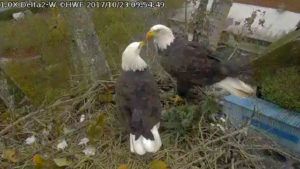
Adopt your favourite HWF Nest & Family for the entire nesting season. Your Nest Adoption will assist with the cost of the cams, maintenance and tech support that is required all year long as well as support the mission and mandate of HWF through ongoing education and activities that promote the conservation of wildlife.
$8,173.00 donated -
Eagle Cams/Repairs
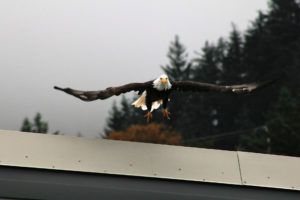
Keeping our cams running on our nests is an ongoing activity, with maintenance and repairs happening year around.
$2,737.00 donated of $10,000.00 goal -
General Fund
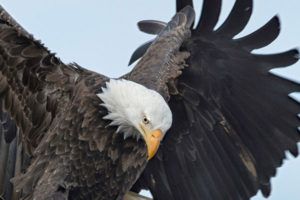
This helps with the expenses that come with running the Hancock Wildlife Foundation year round.
$4,690.00 donated of $15,000.00 goal -
BETA Program
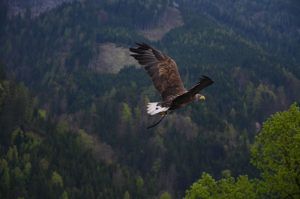
Live, real-time tracking of Eagles is now a reality – as of July 2022, 12 of our tagged eagles are checking in. Please help us expand the program and learn more!
$2,500.00 donated of $20,000.00 goal
LETS MAKE THE WORLD A BETTER PLACE
There are many ways you can help us at the Hancock Wildlife Foundation
Working to save the birds
Our Partners and Supporters












The Hancock Wildlife Foundation wishes to acknowledge the very generous bequest of Mr. Jack McRae, a long-time White Rock resident and supporter of wildlife and the natural world. These funds were provided through the support of the White Rock and Surrey Naturalists Society and will be used to further expand our Bald Eagle Tracking Alliance study of migrations and movements of Bald Eagles across the Pacific Northwest.